
What Are Aphids and Why Should You Be Concerned?
Aphids are among the most common insect pests found on ornamental trees, shrubs, and landscape plants throughout Pennsylvania. These tiny, soft-bodied insects feed by piercing leaves and stems to extract plant sap, weakening plants over time. While a small aphid population may not cause significant harm, large infestations can quickly lead to distorted growth, sticky residue, black mold, and increased stress—especially during periods of heat and drought.
The good news is that aphids are highly manageable when identified and treated early. Professional monitoring and timely Plant Health Care treatments help protect the health, appearance, and longevity of your landscape.

How Aphids Damage Trees and Shrubs
Aphids reproduce extremely quickly, often producing multiple generations throughout the growing season. They typically gather on new growth, tender shoots, and the undersides of leaves where they feed continuously.
Common signs of an aphid infestation include:
- Curled, twisted, or distorted leaves
- Yellowing or wilting foliage
- Sticky honeydew coating leaves, patios, sidewalks, and vehicles
- Black sooty mold growing on honeydew deposits
- Increased ant activity, as ants feed on the honeydew
- Stunted growth and reduced plant vigor
- Premature leaf drop during severe infestations
While healthy, established trees can often tolerate small aphid populations, stressed trees—particularly those affected by drought, construction damage, poor soil conditions, or other insect and disease issues—are much more vulnerable to lasting damage.
How Liberty Tree & Landscape Management Helps
At Liberty Tree & Landscape Management, our Plant Health Care specialists take a proactive approach to aphid management. Rather than simply treating visible insects, we evaluate the overall health of your trees and shrubs to identify the conditions allowing infestations to develop.
Our Plant Health Care program may include:
- Professional inspections and monitoring
- Early-season treatments before populations explode
- Targeted insecticide applications when necessary
- Horticultural oil treatments when appropriate
- Soil health improvement programs
- AquaShield Low Nitrogen Fertilizer applications to reduce environmental stress
- Ongoing monitoring throughout the growing season
Our goal is to control aphids while promoting stronger, healthier trees and shrubs that are naturally more resistant to pests and environmental stress.
What Homeowners Can Do
While professional care provides the best long-term protection, homeowners can help reduce aphid problems by:
- Regularly inspecting new leaves and young shoots.
- Looking for sticky leaves or black sooty mold.
- Watching for increased ant activity around plants.
- Watering trees and shrubs during prolonged dry weather.
- Avoiding excessive nitrogen fertilization, which encourages tender new growth that attracts aphids.
- Encouraging beneficial insects such as lady beetles and lacewings that naturally feed on aphids.
- Scheduling professional inspections at the first sign of damage.
Early detection makes treatment more effective and helps prevent larger infestations later in the season.
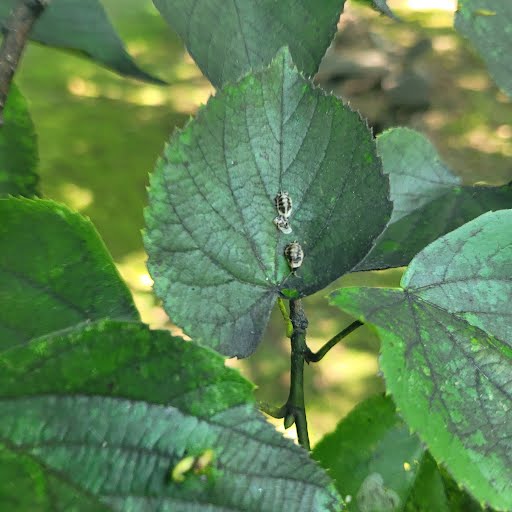
Aphids may be tiny, but they can cause big problems for your trees and shrubs. These sap-feeding insects cluster on new growth, causing curled leaves, stunted growth, and sticky honeydew that can lead to black sooty mold. Early detection and treatment are key to protecting the health and beauty of your landscape. If you notice aphids on your plants, our Plant Health Care specialists can help.
Why It Matters
Although aphids are small, their impact can become significant if left untreated. Continuous feeding weakens trees and shrubs, making them more susceptible to drought stress, disease, secondary insect attacks, and environmental decline.
In addition, the sticky honeydew they produce creates nuisance conditions on outdoor living spaces, vehicles, patios, decks, and sidewalks while promoting unsightly black sooty mold growth.
Protecting your landscape from aphids isn’t just about improving appearance—it’s about preserving the long-term health and value of your property. Routine Plant Health Care allows problems to be identified early, reducing the need for more aggressive treatments later and helping your trees and shrubs thrive season after season.
Protect Your Trees and Shrubs from Aphids
Don’t wait until curled leaves, sticky residue, and declining plant health become major problems. Liberty Tree & Landscape Management provides expert Plant Health Care services that identify and treat aphid infestations before they cause lasting damage.