
What is Scale and Why Should You Be Concerned?
Scale insects are small, sap-feeding pests that attach themselves to the stems, branches, and leaves of trees and shrubs. Because they often resemble tiny bumps or shells, they can go unnoticed until significant damage has already occurred. As they feed, they weaken plants by removing essential nutrients, making them more vulnerable to drought, disease, and environmental stress. Early detection and treatment are key to protecting the long-term health of your landscape.
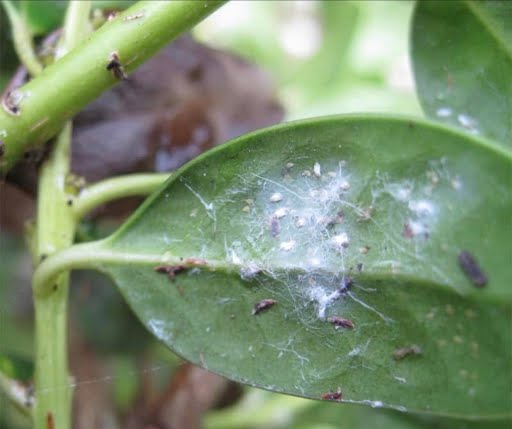
How Scale Insects Damage Trees and Shrubs
Scale insects feed by piercing plant tissue and extracting sap, which slowly robs trees and shrubs of the energy they need to grow and thrive. Common symptoms include:
- Yellowing or thinning leaves
- Premature leaf drop
- Branch dieback
- Stunted growth
- Sticky honeydew coating leaves, patios, or vehicles
- Black sooty mold developing on honeydew
- Increased susceptibility to drought and other pests
Heavy infestations can severely weaken ornamental trees and shrubs, causing lasting damage if left untreated. Because scale insects often blend in with bark and branches, many homeowners don’t realize there’s a problem until the infestation has become widespread.
Professional Scale Treatment That Protects Your Landscape
At Liberty Tree & Landscape Management, we take a proactive approach to controlling scale insects through our Plant Health Care program. Our certified professionals carefully inspect your trees and shrubs to identify the species of scale and determine the most effective treatment.
Depending on the time of year and the severity of the infestation, we may recommend:
- Targeted insecticide applications
- Dormant horticultural oil treatments
- Systemic treatments for long-lasting protection
- Ongoing monitoring to prevent future outbreaks
Our goal is not only to eliminate existing infestations but also to improve the overall health and resilience of your landscape, helping your trees and shrubs recover and thrive.
Tips for Preventing Scale Problems
Homeowners can reduce the risk of scale infestations by practicing good landscape maintenance:
- Regularly inspect branches and leaves for unusual bumps or waxy coverings.
- Watch for sticky residue (honeydew) on leaves, sidewalks, or outdoor furniture.
- Prune heavily infested branches when appropriate.
- Water trees and shrubs during periods of drought to reduce stress.
- Schedule routine plant health inspections to catch problems before they become severe.
Early intervention is far more effective—and less costly—than treating advanced infestations.
What to Look For
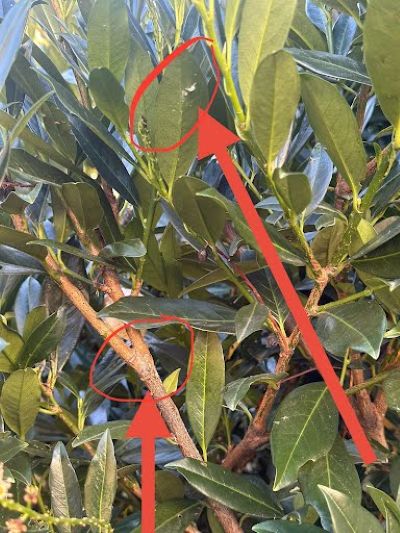
Scale insects feeding on the leaves of an ornamental shrub.
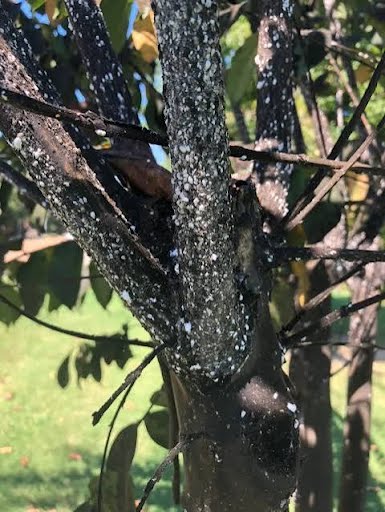
Scale insects attached to the bark of a tree.
Healthy Trees Start with Early Detection
Scale insects may be small, but the damage they cause can be significant. Left untreated, they weaken valuable trees and shrubs, reduce curb appeal, and shorten the lifespan of your landscape investment. Professional monitoring and timely treatment help prevent costly damage while keeping your property healthy, beautiful, and resilient throughout the growing season.
If you’ve noticed sticky leaves, black sooty mold, thinning foliage, or unusual bumps on your trees or shrubs, Liberty Tree & Landscape Management can help. Our experienced team will identify the problem and recommend the right treatment to restore your landscape’s health.
Call Liberty Tree & Landscape Management today at 215-309-8700 to schedule a Plant Health Care inspection and protect your trees and shrubs from scale insects.